
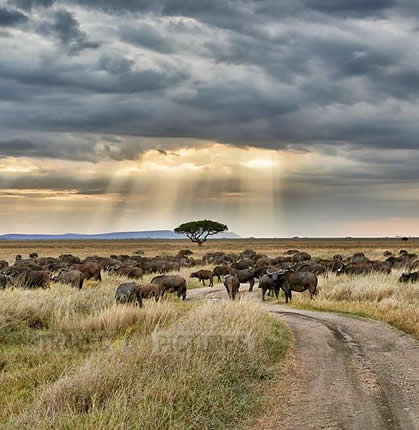
Tanzania is one of Africa's most spectacular travel destinations, renowned for its extraordinary wildlife, breathtaking landscapes, iconic mountains, beautiful beaches and rich cultural heritage. Located in East Africa, the country offers an incredible variety of experiences, from thrilling wildlife safaris across vast savannah plains to relaxing beach holidays along the Indian Ocean.
Home to some of Africa's most famous national parks and natural attractions, Tanzania provides exceptional opportunities to explore the African wilderness. The country is particularly famous for the Serengeti National Park, the Great Wildebeest Migration, the Ngorongoro Crater and Mount Kilimanjaro, Africa's highest mountain.
Whether you are interested in wildlife photography, mountain trekking, cultural encounters, adventure travel or a peaceful island escape, Tanzania offers memorable experiences for every kind of traveller.
1. Exceptional Wildlife and Safari Experiences
Tanzania is internationally recognised for its remarkable wildlife populations and some of the finest safari experiences in Africa. Its extensive network of national parks, game reserves and conservation areas protects diverse ecosystems that support an incredible variety of animals.
Visitors can encounter the famous Big Five – lion, leopard, elephant, buffalo and rhinoceros – alongside cheetahs, giraffes, zebras, wildebeest, hippos, crocodiles, hyenas and numerous antelope species.
Some of Tanzania's most popular wildlife destinations include:
- Serengeti National Park: Famous for its vast open plains, abundant wildlife, large predator populations and the spectacular Great Wildebeest Migration.
- Ngorongoro Conservation Area: Home to the remarkable Ngorongoro Crater, one of Africa's most impressive wildlife-viewing destinations.
- Tarangire National Park: Known for its large elephant herds, ancient baobab trees and seasonal wildlife concentrations around the Tarangire River.
- Lake Manyara National Park: Offers beautiful scenery, diverse birdlife, elephants, hippos and its famous tree-climbing lions.
- Ruaha National Park: A vast wilderness destination known for elephants, lions, wild dogs and relatively remote safari experiences.
- Nyerere National Park: One of Africa's largest protected wilderness areas, offering game drives, boat safaris and walking safari experiences in selected areas.
- Katavi National Park: A remote and less-visited destination known for its wilderness atmosphere and seasonal concentrations of wildlife.
- Arusha National Park: A scenic park featuring Mount Meru, crater lakes, forests, giraffes and opportunities for walking safaris.
Game drives are among the most popular ways to explore Tanzania's national parks. Accompanied by experienced safari guides, visitors travel through different habitats in search of wildlife while enjoying the remarkable scenery of the African wilderness.
2. The Great Wildebeest Migration
One of Tanzania's most remarkable natural attractions is the Great Wildebeest Migration, a spectacular annual movement of millions of wildebeest accompanied by zebras and gazelles across the Serengeti-Maasai Mara ecosystem.
The animals move in search of fresh grazing and water, following seasonal rainfall patterns across the vast plains of Tanzania and Kenya. This natural movement is one of the most extraordinary wildlife spectacles in the world.
In Tanzania, the migration can be experienced in different parts of the Serengeti throughout the year. The southern Serengeti and Ndutu region are particularly associated with the calving season, generally around January to March. During this period, large numbers of wildebeest calves are born, attracting predators such as lions, cheetahs and hyenas.
As the herds move north and west, visitors may witness dramatic river crossings, particularly around the Grumeti and Mara River areas. The timing and location of these crossings vary depending on rainfall and grazing conditions.
The Great Migration offers exceptional opportunities for wildlife viewing, photography and experiencing the natural rhythms of the African wilderness.
3. Mount Kilimanjaro – Africa's Highest Mountain
Mount Kilimanjaro is one of Tanzania's most famous natural landmarks and the highest mountain in Africa, rising to approximately 5,895 metres above sea level.
Located in northern Tanzania, Kilimanjaro is a free-standing volcanic mountain with three volcanic cones: Kibo, Mawenzi and Shira. Its snow-capped summit creates a spectacular contrast with the surrounding African plains.
The mountain attracts climbers and adventure enthusiasts from around the world. Several established trekking routes lead towards the summit, passing through different ecological zones, including cultivated foothills, tropical rainforest, moorland, alpine desert and the high-altitude summit environment.
Popular climbing routes include:
- Marangu Route: Known for its mountain huts and established trekking infrastructure.
- Machame Route: A scenic route offering varied landscapes and beautiful views.
- Lemosho Route: Popular for its scenic approach and longer trekking itinerary.
- Rongai Route: Approaches the mountain from the northern side near the Kenyan border.
- Umbwe Route: A steeper and more challenging route for experienced trekkers.
Beyond climbing, the Kilimanjaro region offers beautiful scenery, coffee plantations, waterfalls and opportunities to experience the local Chagga culture.
4. The Ngorongoro Crater and Its Remarkable Scenery
The Ngorongoro Conservation Area is one of Tanzania's most extraordinary natural attractions. Its most famous feature is the Ngorongoro Crater, a vast volcanic caldera surrounded by steep walls and containing a remarkable concentration of wildlife.
The crater floor features open grasslands, woodlands, freshwater areas and seasonal wetlands, creating a variety of habitats for different animal species.
Visitors have opportunities to see lions, elephants, buffaloes, zebras, wildebeest, hippos and other wildlife. The area is also one of the important places in Tanzania where visitors may have an opportunity to see the endangered black rhinoceros.
Other attractions within the wider conservation area include the Olduvai Gorge, an important archaeological site associated with research into early human history, and the scenic highlands surrounding the crater.
5. Beautiful Landscapes and Scenic Attractions
Tanzania is blessed with remarkable geographical diversity. Its landscapes range from endless savannah plains and volcanic highlands to tropical forests, mountain ranges, freshwater lakes and dramatic escarpments.
Some of the country's most notable scenic attractions include:
- Serengeti Plains: Vast open grasslands famous for their wildlife, beautiful sunsets and expansive horizons.
- Ngorongoro Highlands: A scenic region featuring volcanic landscapes, crater views and rolling green hills.
- Lake Natron: A striking alkaline lake known for its unusual colours, volcanic surroundings and flamingo breeding grounds.
- Lake Eyasi: A scenic seasonal lake surrounded by dry landscapes and traditional communities.
- Lake Victoria: Africa's largest lake, shared by Tanzania, Kenya and Uganda, with beautiful lakeside communities and islands.
- Lake Tanganyika: One of the world's deepest freshwater lakes, known for its clear waters and distinctive aquatic life.
- Usambara Mountains: A beautiful mountain region with forests, valleys, traditional villages and scenic hiking trails.
- Udzungwa Mountains: Known for tropical forests, waterfalls, hiking opportunities and unique biodiversity.
These destinations offer excellent opportunities for sightseeing, photography, hiking, birdwatching and nature exploration.
6. Tanzania's Beautiful Indian Ocean Coastline
Tanzania's coastline along the Indian Ocean offers beautiful sandy beaches, warm tropical waters, coral reefs and fascinating coastal communities. The mainland coast and offshore islands provide excellent opportunities for beach holidays and marine adventures.
Some popular coastal destinations include:
- Dar es Salaam: Tanzania's largest city and an important coastal centre, offering beaches, restaurants, markets and access to nearby islands.
- Bagamoyo: A historic coastal town with important cultural and architectural heritage.
- Pangani: A quieter coastal destination known for its beaches, historical sites and relaxed atmosphere.
- Mafia Island: Famous for its marine park, coral reefs, diving and snorkelling opportunities.
- Saadani National Park: A unique destination where wildlife and coastal scenery meet, combining savannah habitats with an Indian Ocean coastline.
The Tanzanian coast is ideal for swimming, snorkelling, diving, fishing, boat excursions and enjoying peaceful tropical surroundings.
7. Zanzibar – A Tropical Island Paradise
Zanzibar is one of Tanzania's most famous holiday destinations, attracting visitors with its white sandy beaches, turquoise waters, historic towns and rich Swahili heritage.
The Zanzibar archipelago includes Unguja, commonly known as Zanzibar Island, and Pemba Island, together with several smaller islands. It offers a beautiful combination of beach relaxation, marine activities, cultural exploration and island experiences.
Popular destinations and attractions include:
- Stone Town: A historic town recognised for its narrow streets, carved wooden doors, old buildings, markets and rich Swahili and Arab heritage.
- Nungwi: A popular northern beach destination known for its white sand, turquoise waters and beach resorts.
- Kendwa: Famous for its beautiful beaches, clear waters and spectacular sunsets.
- Paje: A lively coastal destination popular for kitesurfing and other water sports.
- Jambiani: A picturesque fishing village offering a relaxed beach atmosphere and opportunities to experience local island life.
- Pemba Island: Known for its peaceful environment, lush vegetation, coral reefs and excellent diving opportunities.
Visitors to Zanzibar can enjoy snorkelling, scuba diving, dhow cruises, spice tours, cultural visits and excursions to nearby islands.
8. Lakes, Birdlife and Nature
Tanzania is an excellent destination for birdwatching and nature enthusiasts. Its varied habitats support an impressive diversity of bird species, including flamingos, pelicans, fish eagles, storks, kingfishers, hornbills and numerous migratory birds.
Some of the country's notable birdwatching destinations include:
- Lake Manyara: Known for its diverse birdlife and seasonal flamingo populations.
- Lake Natron: An important breeding area for lesser flamingos.
- Lake Victoria: Supports a variety of waterbirds and wetland habitats.
- Lake Tanganyika: Offers opportunities to observe birds around its shores and surrounding forests.
- Usambara Mountains: Famous for forest birdlife, including several species with restricted ranges.
- Serengeti National Park: Provides opportunities to observe a wide variety of grassland and woodland bird species.
From wetlands and lakeshores to forests and open plains, Tanzania offers rewarding experiences for birdwatchers, photographers and nature lovers.
9. Rich Culture and Heritage
Tanzania is home to a diverse range of communities with distinct traditions, languages, music, dances, crafts and ways of life. Its cultural heritage is an important part of the country's identity and provides visitors with opportunities to learn about local history and traditions.
The Maasai are among Tanzania's best-known communities, particularly in the northern safari circuit. Their traditional dress, beadwork, pastoral heritage and cultural practices are an important part of the region's cultural identity.
Other communities, including the Chagga around Mount Kilimanjaro and the Hadzabe around Lake Eyasi, offer insights into different traditional ways of life. Responsible, locally guided cultural experiences can help visitors learn about these communities while supporting local livelihoods.
Tanzania's coastal areas also have a strong Swahili cultural heritage, influenced by centuries of trade and interaction across the Indian Ocean. This heritage can be explored through historic buildings, traditional architecture, local cuisine, music and coastal settlements.
10. Adventure and Outdoor Activities
Beyond traditional wildlife safaris, Tanzania offers a wide range of outdoor adventures for visitors seeking active holidays and unique experiences.
Depending on the destination, visitors can enjoy:
- Mountain climbing and trekking on Mount Kilimanjaro and Mount Meru.
- Walking safaris in selected national parks and conservation areas.
- Boat safaris along rivers and lakes.
- Snorkelling and scuba diving around Zanzibar, Mafia and Pemba islands.
- Hiking through mountain forests and scenic highlands.
- Birdwatching and wildlife photography.
- Cultural excursions and visits to traditional communities.
- Beach activities, sailing and fishing along the Indian Ocean coastline.
These experiences allow visitors to explore Tanzania beyond the traditional game-drive safari.
11. Combining a Tanzania Safari with a Beach Holiday
One of Tanzania's greatest travel advantages is the opportunity to combine an exciting wildlife safari with a relaxing island or beach holiday.
Visitors can begin their journey exploring the northern safari circuit, including Tarangire, Lake Manyara, the Serengeti and Ngorongoro, before flying to Zanzibar for a few days of relaxation along the Indian Ocean.
Alternatively, a safari in southern Tanzania can be combined with a beach holiday in Mafia Island or along the mainland coast.
These combinations offer a wonderful contrast between the excitement of wildlife encounters and the tranquillity of tropical island life.
12. Why Choose Tanzania for Your Holiday?
Tanzania offers an exceptional range of travel experiences, making it one of Africa's most rewarding holiday destinations. From world-famous wildlife attractions to tropical islands and spectacular mountain scenery, the country has something for every traveller.
Visitors can enjoy:
- Outstanding wildlife viewing in internationally recognised national parks.
- The spectacular Great Wildebeest Migration in the Serengeti ecosystem.
- The remarkable Ngorongoro Crater and its diverse wildlife.
- Mount Kilimanjaro, Africa's highest mountain.
- Beautiful lakes, forests, mountains and scenic landscapes.
- White sandy beaches and tropical island experiences in Zanzibar.
- Rich Swahili heritage and diverse cultural traditions.
- Mountain trekking, diving, snorkelling and other outdoor adventures.
- Opportunities to experience responsible tourism and conservation initiatives.
Discover Tanzania with Us
Tanzania is a destination of extraordinary contrasts, where vast wilderness areas, remarkable wildlife, dramatic mountains, beautiful lakes and tropical islands come together to create unforgettable holidays.
At Jeep Safaris, we invite you to discover Tanzania through carefully planned safari and holiday experiences. Whether you dream of exploring the Serengeti, descending into the Ngorongoro Crater, climbing Mount Kilimanjaro or relaxing on the beaches of Zanzibar, we can help you plan a memorable journey through this remarkable East African destination.
Tanzania awaits. Discover the beauty of East Africa.